Category

Select

Category

The term “autism spectrum disorder” (ASD) has gained significant attention in recent years, particularly as the prevalence of diagnoses has increased. While this heightened awareness is crucial for early intervention and destigmatization, it’s equally essential to understand that not all forms of autism are the same. To support the autistic community effectively, it’s crucial to familiarize ourselves with the various nuances within the spectrum.

This post aims to shed light on the different types of autism, delve into terminology that has become outdated, and highlight why understanding these distinctions is beneficial for everyone.

Classic Autism

Also known as “Kanner’s autism,” named after the psychiatrist Leo Kanner who first described it in the 1940s, Classic Autism is what most people generally think of when they hear the word “autism.” It includes a range of challenges in social interaction, communication skills, and repetitive behaviors. Individuals with Classic Autism often have difficulties in understanding social cues and may also have intellectual disabilities.

High-Functioning Autism

Previously considered distinct from Classic Autism, High-Functioning Autism is now generally acknowledged as being on the milder end of the autism spectrum. Those with High-Functioning Autism may have excellent cognitive skills—sometimes even above average—but they still struggle with social interactions and can exhibit intense focus or interest in specific subjects.

While there are various types of autism, certain terms and diagnoses are now outdated among autism experts. Some examples include:

Asperger’s Syndrome

Until the release of the fifth edition of the Diagnostic and Statistical Manual of Mental Disorders (DSM-5) in 2013, Asperger’s Syndrome was considered a separate condition. Asperger’s was often described as a milder form of autism that didn’t include the language delays often associated with Classic Autism.

However, the DSM-5 has since folded Asperger’s into the broader category of Autism Spectrum Disorders. The change reflects a more nuanced understanding of autism as a spectrum, rather than distinct subtypes. Although some people still use the term colloquially or to describe their own experiences, it’s crucial to understand that it is technically an outdated classification.

Pervasive Developmental Disorder-Not Otherwise Specified (PDD-NOS)

Before the DSM-5 update, PDD-NOS was used as a kind of catch-all term for individuals who displayed some symptoms of autism but did not meet the full criteria for Classic Autism or Asperger’s Syndrome. PDD-NOS has also been absorbed into the general diagnosis of ASD, highlighting the fluidity of symptoms and experiences within the autism community.

Childhood Disintegrative Disorder (CDD)

CDD is a rare condition, far less common than other types of autism. In CDD, children develop typically for the first two years of life but then experience significant regression, losing various skills they once had—such as language and social abilities. Like other forms, CDD is now generally considered to be on the autism spectrum.

The Importance Of Familiarization

Understanding the various types of autism is beneficial not just for caregivers, clinicians, and educators, but for society as a whole. A nuanced grasp of the spectrum helps us to:

  • Improve Diagnostic Accuracy: The more we understand, the more accurately professionals can diagnose and tailor interventions for individuals with autism.
  • Encourage Empathy: Understanding the range of experiences within the autism community helps break down stereotypes and promotes empathy and inclusion.
  • Enhance Personalized Support: Different individuals require different types of support, and a nuanced understanding of autism allows for more effective, personalized care.

The autism spectrum is exactly that—a spectrum. It comprises a range of symptoms, abilities, and experiences that cannot be easily boxed into categories. While it’s human nature to categorize things to better understand them, when it comes to autism, it’s crucial to appreciate its diversity.

As our understanding of autism evolves, so should our language and attitudes. It’s more than just a clinical issue; it’s a human one that affects us all in different ways, directly or indirectly. Let’s commit to continuous learning for the betterment of our collective coexistence.

Related Items on Amazon:
Wilbarger Method Therapy Sensory Brush Set
Calming Sensory Lights
Joyreal AAC Communication Tablet

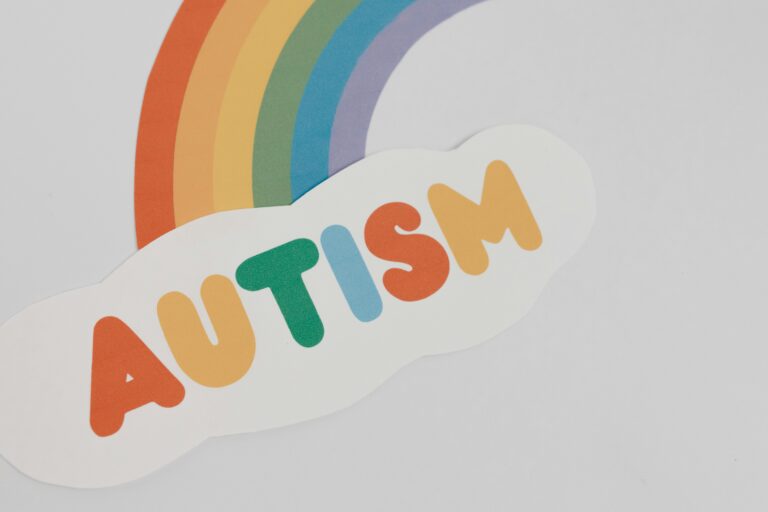
Photo by Tara Winstead

healthy diet consists of vitamins, minerals, protein and carbs. A sure-fire way to ensure your diet’s nutrition value is at its highest, is to eat meals that include the four basic food groups: dairy, meat, vegetables, fruits, etc.

Unfortunately, a lot of people maintain bad eating habits, such as going for “cheap” options – such as fast foods, canned goods, and frozen “oven foods”, etc. These bad habits relate to a staggering amount of health problems and diseases. Let’s talk about 10 of those effects that come from poor eating habits. Also, if you are more interested in the harmful effects of drinking alcohol, here’s a great post about long term effects of alcohol abuse.

1. Diabetes

As we ingest more and more amounts of sugars and simple carbohydrates (such as candy, fruit juice, white bread, white flour, soda, etc.), those high levels can develop Type 2 Diabetes. Junk food—or any food with high amounts of refined white sugar little to no nutritional content—forces your body to pump more insulin. This insulin “overdrive” causes your metabolism to stress out, making you vulnerable to diseases. Even eating too much junk food (or any food with no protein or complex carbs), short term, tampers with your moods and feelings – and depletes your energy levels. This is bad news, as less energy leads us to feel less inclined to be active, exercise or work out.

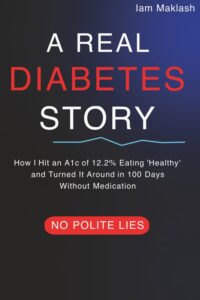
A REAL DIABETES STORY: by IAM MAKLASH

2. Obesity

It goes without saying that eating unhealthy foods leads to weight gain. Left untreated, this gained weight turns to obesity – due to our inability to get rid of the accumulated fat gained from bad diets. Nobody needs to be sold on the premise that it’s easy to go overboard on eating; the fact that we’re eating so much can push us to “eat away our sorrows”, thus becoming a vicious cycle.

Unfortunately, obesity has company: kidney disease. Due to the insane levels of salt and fat in bad food, combined with a sedentary lifestyle, developing kidney disease is not just a possibility – it’s a reality. Sadly, obesity increases our chances of heart disease, particular cancers, stroke, and liver disease. As a result of bad eating habits, heart attacks are a dangerous threat for people with obesity.

3. Can Cause Depression

We’ve talked quite a bit about the “vicious cycle” of eating bad foods. For example: you feel bad about overeating junk, and stress yourself out over it – psychologically causing you to crave more bad food. This cycle is a dangerous threat level for causing depression.

“Junk” is any food without adequate nutrients, such as the amino acid neurotransmitter called tryptophan. This amino acid is responsible for providing our brains with serotonin, which is converted into dopamine – the “feel good” hormone.

What is scarier, is a lot of research has shown that junk food chemically alters our brains; our signals are literally being rewired to think we need these foods. Since our brains are being altered to think this way, we begin believing that there is nothing wrong with choosing canned/fried goods in favor of fresh produce.

4. Poor Brain Function

Healthy fats, antioxidants and complex carbohydrates all play their part in producing glucose, which our brain needs. (Not a lot, mind you, but glucose is still essential for our brains to function for prime/optimal performance. Performance, in this instance, refers to clear thinking, motor skills, speech functions, concentrating, etc.) When deprived of these nutrients, our “brain skills” plummet.

5. Drops Energy Levels

Foods with little to no nutritional content (which is essential for our body to function healthily) often plummet our energy levels. Our energy is tied in to the amount of protein and complex carbohydrates we intake, which provide our systems with much-needed glucose. A lack of protein and carbs results in fatigue, agitation and the unfortunate effect of craving more sugar for an “energy boost”. Energy is a necessity that helps us have the will to get through the day.

6. Kills Appetite Control

After eating fried and processed foods, how many times were you hungry shortly after? It’s incredibly easy to eat even more of these foods – in an attempt to sate our hunger. This is because the trans fat found in these foods literally “slaughter” our ability to control our appetite – called the hypothalamus. It goes without saying that, once more, eating bad food becomes a routine in an attempt to feel full.

7. Weight Gain

Our blood sugar is managed by insulin. Simple carbs and trans fat in processed foods spikes insulin levels. When this happens, a condition called insulin resistance is formed. This condition prevents insulin from managing our blood sugar – which inevitably leads to weight gain. This is one of the primary reasons why gained weight leads to obesity.

8. Health Diseases

Unhealthy eating habits can potentially cause two major health diseases: osteocalcin and malignant malnutrition. The former—often linked with a lack of vitamin D (found in a lot of healthy foods)—causes sufferers’ bones to deteriorate. The latter disease causes anemia, edema, and skin pigmentation discoloration.

9. Mood Problems

Serotonin and dopamine are two hormones our brains need to function adequately. People without sufficient serotonin or dopamine production often develop depression and tend to feel sad more often. Judith Wurtman (director of Women’s Health Program at MIT) stated that people with low-carb diets “show high feelings of depression, tension and anger.”

10. Slows Learning

Junk/unhealthy food ruins memory, according to Professor Margaret Morris. In 2011, The American Journal of Clinical Nutrition conducted a study: functioning, healthy people ate junk food for only five days, and were then subjected them to cognitive tests. Unsurprisingly, results these tests (which measured moods, attention and mental speed) showed that these people’s cognitive functions were low. Here’s why: high-sugar diets that are full of fat prevent BDNF (brain-derived neurotrophic factor), which is responsible for forming memory retention and is a vital part of learning; learning becomes harder.

Last Thoughts

While fast food/junk food tends to be less expensive than eating healthy foods, leading us to choose the easy option… we end up paying for that choice with our health. Most people know by now (I hope) that fast foods are the primary culprit for many of these diseases. Specifically because fast food is loaded with additives – causing us to become addicted to the fast food. This is because of all the large number of salts, sugars and fats of fast/junk food. Please make the choice today to stop with the unhealthy eating habits and opt for healthier foods that are high in protein and complex carbohydrates – such as whole grains, tofu, spinach, lentils, carrots, etc.

Related Items on Amazon:

The Intuitive Eating Workbook Ten Principles for Nourishing a Healthy Relationship with FoodThe Intuitive Eating Workbook: Ten Principles for Nourishing a Healthy Relationship with Food


Mediterranean Diet Chart Food ListMediterranean Diet Chart Food List


The Intuitive Eating Card Deck: 50 Bite-Sized Ways to Make Peace with FoodThe Intuitive Eating Card Deck: 50 Bite-Sized Ways to Make Peace with Food


Photo by thecactusena

Bloggy Moms